Suburbs or Small Towns: Which Indiana Lifestyle Actually Fits Your Life in 2025?
Let's be honest — choosing where to buy a home in Indiana isn't just about square footage and school ratings. It's about the kind of life you want to wake up to every morning. And in 2025, Indiana is giving buyers a genuinely interesting choice: the polished, amenity-packed suburbs ringing Indianapolis, or the slower-paced, character-rich small towns scattered across the rest of the state.
Both paths have real merit. Both have real trade-offs. And depending on who you are — a remote worker craving quiet, a young family hunting for top-tier schools, or a retiree ready to downshift — the right answer could look completely different.
Let's break it down.
The Case for Indiana's Fast-Growing Suburbs
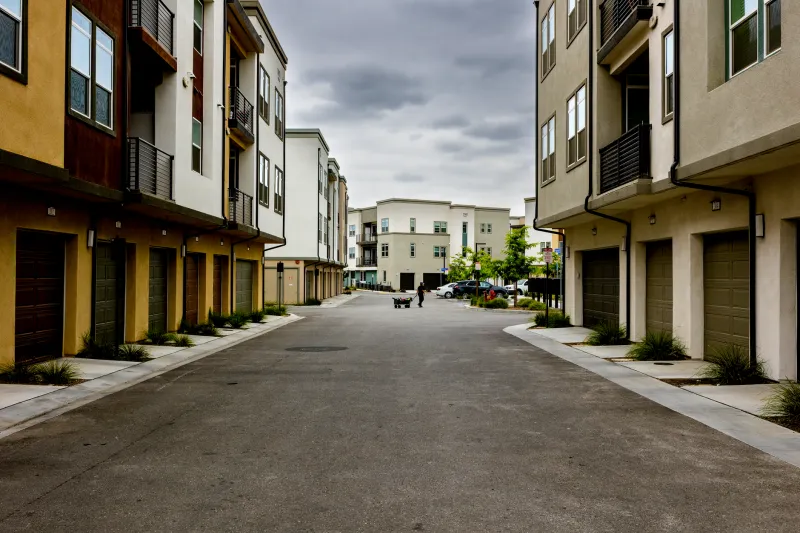
If you've spent any time researching Indiana real estate, you already know the usual suspects: Fishers, Carmel, Zionsville, Westfield, Noblesville. These communities have been on a tear for the better part of a decade, and 2025 is no exception.
Carmel consistently ranks among the best places to live in the entire country, and it's not hard to see why. The city has invested heavily in walkable infrastructure — the Arts & Design District, the Monon Trail, a downtown that actually draws people on weekends. Fishers, meanwhile, has positioned itself as a tech and innovation hub, which has attracted a younger, professional demographic and kept housing demand consistently high.
Here's what the numbers look like right now:
- Carmel median home price: approximately $480,000–$520,000
- Fishers median home price: approximately $380,000–$420,000
- Zionsville median home price: approximately $490,000–$540,000
- 5-year appreciation in Hamilton County: roughly 40–45%
Those appreciation numbers are significant. If you're thinking of your home as an investment — and most buyers are, at least partially — the suburbs have delivered strong returns and show little sign of slowing down.
Schools are another major draw. Hamilton Southeastern, Carmel Clay, and Zionsville Community Schools all consistently earn high marks statewide. For families prioritizing education above almost everything else, this corner of Indiana is hard to argue with.
The trade-off? Price, obviously. Getting into these markets requires a meaningful budget, and the competition can still be stiff. There's also a certain sameness to suburban life that not everyone loves — the chain restaurants, the planned developments, the HOA newsletters.
The Case for Indiana's Small Towns
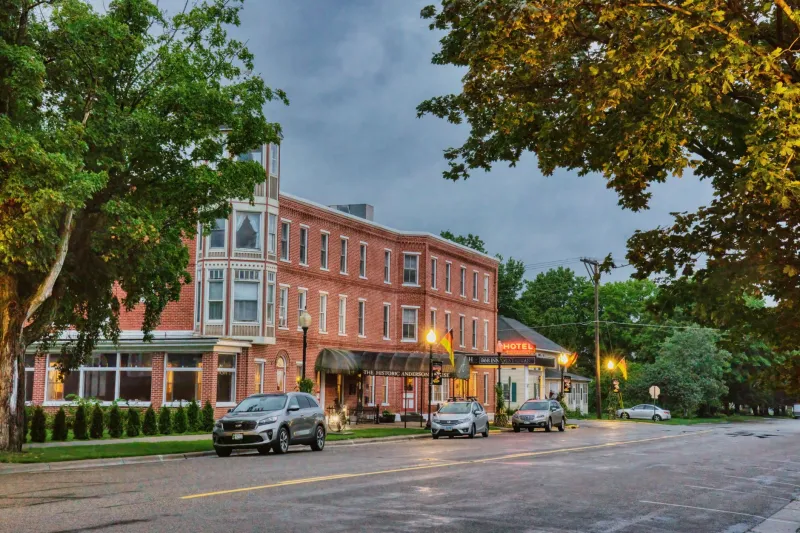
Now flip the script entirely. Places like Columbus, Madison, Jasper, Huntingburg, and Crawfordsville offer something the suburbs genuinely can't manufacture: authenticity.
Columbus is probably the most well-known example. Famous for its remarkable collection of modernist architecture — seriously, it punches above its weight globally on that front — Columbus has a median home price hovering around $185,000–$210,000 and a community identity that feels earned rather than engineered. It's also home to Cummins Inc., which means there's a real economic anchor keeping things stable.
Madison, perched along the Ohio River in southeastern Indiana, is the kind of place people discover on a weekend trip and immediately start Googling real estate. Historic homes, a revitalized downtown, and median prices around $150,000–$175,000 make it especially attractive to remote workers and retirees who don't need to commute.
Jasper, down in Dubois County, is another gem — a tight-knit community with a strong local economy (furniture manufacturing has deep roots there), excellent community schools, and home prices that still feel like a bargain compared to the metro area, typically landing in the $200,000–$240,000 range.
Small-town appreciation has been more modest — generally in the 15–25% range over five years — but that gap is narrowing as remote work continues to reshape where people choose to live. Buyers who got into places like Madison and Columbus three or four years ago are sitting pretty right now.
So Who Should Choose What?
Here's where we get opinionated, because we think the data only tells part of the story.
Remote workers: Small towns are your move, full stop. If you're not tethered to an office, why pay suburban prices? You can get a beautifully restored Victorian in Madison or a newer build in Jasper for a fraction of what a comparable home costs in Fishers — and your quality of life might actually go up. Slower pace, lower cost, genuine community.
Young families with school-age kids: The suburbs have a real edge here, and it's hard to pretend otherwise. If school district quality is non-negotiable for you, Hamilton County delivers consistently. That said, don't sleep on Columbus — its schools are solid, and the city has a cultural richness that many suburbs lack.
Retirees: This one's genuinely split. If you want walkability, amenities, and proximity to world-class healthcare in Indianapolis, the suburbs make sense. But if you want your retirement dollars to stretch further and you're drawn to a slower rhythm, a small town along the Ohio River or in southern Indiana could be exactly what you're looking for. Lower property taxes, lower cost of living, and a pace that actually lets you enjoy retirement.
First-time buyers on a budget: Small towns are almost certainly your best entry point. The suburbs have appreciated so aggressively that breaking in as a first-timer is genuinely tough without significant help. Places like Crawfordsville or Huntingburg let you build equity without stretching your finances to the breaking point.
The Commute Question
One thing that can't be glossed over: if you do work in Indianapolis at least part of the time, small-town living comes with a real commute cost. Madison is about 90 minutes from downtown Indy. Jasper is over two hours. Columbus is more manageable at around 45 minutes, which is why it's become something of a sweet spot for hybrid workers.
The suburbs, by contrast, keep you within 20–35 minutes of the city — close enough to pop in for meetings, far enough to feel like you've escaped.
The Bottom Line
There's no universally right answer here, which is kind of the point. Indiana's suburbs offer stability, strong schools, and impressive appreciation — but you'll pay for all of it. The state's small towns offer affordability, character, and a sense of belonging that's hard to put a price on — but you'll make compromises on amenities and commute time.
The best thing you can do before making this call? Visit. Spend a weekend in Carmel and a weekend in Columbus. Walk around downtown Madison on a Saturday morning. Drive the streets of Fishers at rush hour. The right place will probably reveal itself pretty quickly.
And when it does, Indiana House Now will be here to help you find your home in it.