Walk Score vs. Wallet Score: Which Indiana Neighborhoods Actually Deliver on the Walkability Promise

There's a certain fantasy that comes with buying a walkable home. You picture yourself strolling to a coffee shop on Saturday morning, grabbing groceries on the way home from work, maybe even ditching the second car entirely. It sounds great — until you see the listing price and wonder if you're paying for a lifestyle or just a story.
In Indiana, walkability is a real but uneven feature of the housing market. Some neighborhoods genuinely deliver on the promise. Others have a decent Walk Score on paper but fall apart the moment you actually try to live car-free. Before you budget an extra $40,000 or $50,000 for that urban zip code, it's worth asking a harder question: what are you actually buying?
What Walkability Really Means (and What It Doesn't)
Walk Score, the most widely used metric in real estate listings, rates neighborhoods on a 0–100 scale based on proximity to amenities like grocery stores, restaurants, schools, parks, and transit. A score above 70 is generally considered "very walkable," while anything below 50 is basically car-dependent territory.
But here's the thing — Walk Score doesn't measure how pleasant or safe a walk actually is. It doesn't account for sidewalk gaps, traffic speeds, or whether that nearby grocery store is a full-service market or a gas station convenience shop. So a neighborhood can score a 72 and still feel completely unwalkable in practice.
Keep that in mind as we dig into Indiana's most talked-about walkable pockets.
Indianapolis: Where the Premium Is Real — and Sometimes Earned
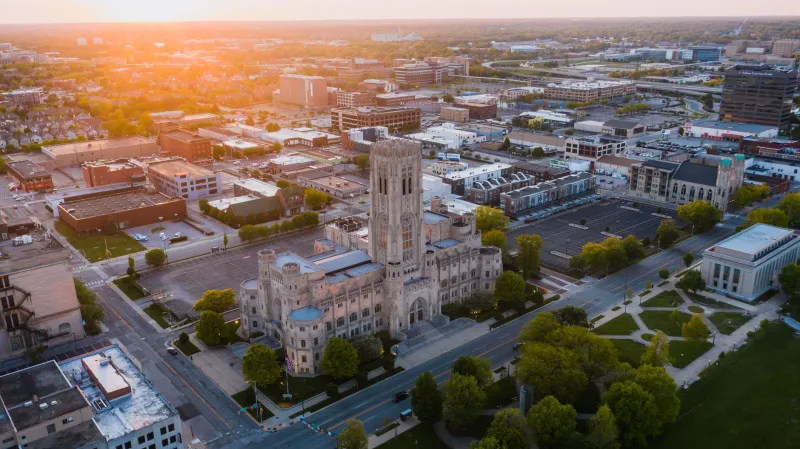
Indianapolis is a sprawling, car-built city, so truly walkable pockets are the exception rather than the rule. The neighborhoods that actually deliver — Broad Ripple, Fountain Square, and Mass Ave / Downtown — tend to carry home prices that reflect it.
In Broad Ripple, median home prices have been hovering in the $280,000–$340,000 range for updated bungalows and condos, which is notably higher than comparable square footage in car-dependent suburbs like Avon or Plainfield. Walk Scores in Broad Ripple typically land in the 70–80 range, and for once, the score is backed up by reality: there are actual sidewalks, a bikeable canal path, and genuine walkable dining and retail within a half-mile.
Fountain Square is a slightly grittier, more eclectic option with Walk Scores in the high 60s to low 70s. Prices are a bit lower, and the neighborhood's ongoing revitalization means the walkability is still catching up to the potential. For buyers willing to bet on trajectory, this is one of the more interesting value plays in Indy right now.
Then there's the Downtown core itself. Walk Scores here can hit 90+, but buyers need to be clear-eyed: you're often looking at condos and lofts, not single-family homes, and the lifestyle suits young professionals or empty-nesters more than families with kids and dogs who need a yard.
The verdict in Indianapolis? The premium is real, but so is the payoff — if you're in the right micro-neighborhood and your lifestyle actually matches the density.
Fort Wayne: A Sleeper Market With Walkable Upside
Fort Wayne doesn't get nearly enough credit in the walkability conversation. The city's Near Northside and Downtown neighborhoods have Walk Scores in the 65–78 range, and home prices are significantly more accessible than comparable walkable zones in Indianapolis — we're talking medians in the $160,000–$220,000 range in some blocks.
The Anthony Boulevard corridor and the areas around Headwaters Park offer that rarer combination: reasonable walkability, genuine neighborhood character, and a price point that doesn't require a deep breath before you make an offer. For first-time buyers or downsizers who want some urban texture without Indy sticker shock, Fort Wayne's walkable core deserves a serious look.
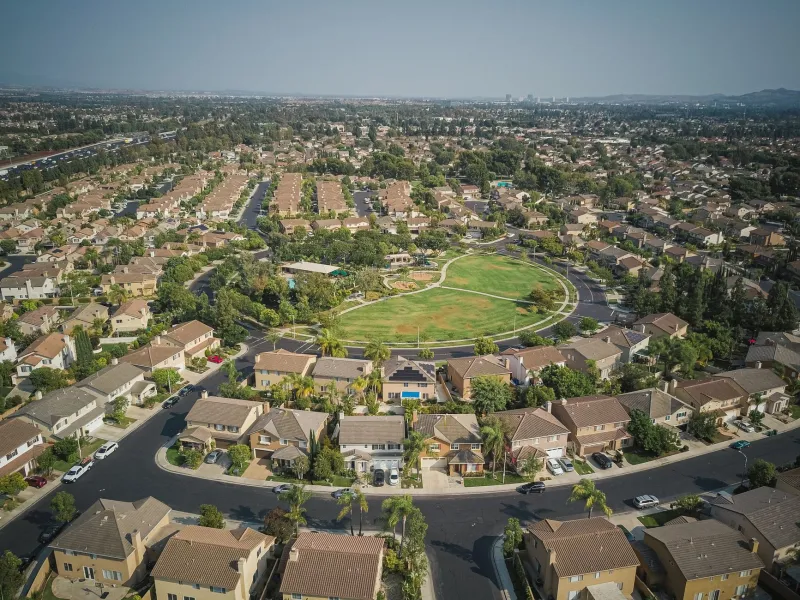
That said, Fort Wayne is still a fundamentally car-dependent city outside of these pockets. If you're drawn to a listing in a suburb like Aboite Township or northwest Fort Wayne, a Walk Score of 25–35 is about what you'll find — and no amount of wishful thinking changes the fact that you'll be driving to literally everything.
South Bend: College Town Energy, Real Walkability Gaps
South Bend benefits from the University of Notre Dame effect — there's a built-in demand for walkable, bikeable living near campus, and neighborhoods like the Near Northwest Side and Downtown South Bend have Walk Scores in the 65–80 range.
Home prices near the university corridor tend to run higher than the broader South Bend market, partly because of investor demand and rental potential. For owner-occupants, that means competing with landlords, which can be frustrating. But the walkability here is legitimate: you can reach coffee shops, restaurants, the river walk, and basic services on foot without much trouble.
Further out — think Mishawaka or the suburban eastern edge of the metro — walkability scores crater and so does the lifestyle promise. These are solid, affordable communities, but don't let a listing's proximity to South Bend fool you into thinking you're buying an urban lifestyle. You're buying a suburb.
The Real Financial Math: Does Walkability Save You Money?
Here's where the analysis gets interesting. The standard argument for paying a walkability premium goes like this: if you can eliminate a second car, you save roughly $8,000–$12,000 per year in car payments, insurance, fuel, and maintenance. Over a 10-year mortgage horizon, that's potentially $80,000–$120,000 in savings — which can more than justify a $40,000–$50,000 price premium on a home.
But that math only works if you actually ditch the car. And in Indiana — even in the most walkable urban neighborhoods — most households don't. The grocery store might be walkable, but the kids' school isn't. The coffee shop is two blocks away, but your job is in Carmel. The lifestyle benefit is real but partial, which means the financial benefit is also partial.
A more honest calculation: if walkability saves you one car instead of two, you're looking at roughly $5,000–$7,000 in annual savings. That's still meaningful, but it changes the break-even point on a premium.
When the Premium Isn't Worth It
There are neighborhoods in Indiana where Walk Scores look decent on a listing but the day-to-day reality disappoints. Some older Indianapolis neighborhoods near the urban core score in the 60s because there are technically businesses nearby — but those businesses are a mix of dollar stores, fast food, and vacant storefronts. That's not the walkable lifestyle most buyers are imagining.
Similarly, some newer mixed-use developments in suburban Indianapolis (parts of Fishers and Carmel come to mind) are being marketed with walkability language, but a Walk Score of 45 is still a car-dependent existence, no matter how nice the apartments above the ground-floor retail look in the renderings.
The rule of thumb: always walk the neighborhood yourself, at different times of day, before you decide the score matches the reality.
The Bottom Line for Indiana Buyers
Walkability is worth paying for in Indiana — but only when it's genuine, and only when your lifestyle actually takes advantage of it. The best value plays right now are Fort Wayne's urban core (underpriced for what it offers) and Fountain Square in Indianapolis (still appreciating). Broad Ripple and South Bend's near-campus neighborhoods offer real walkability but at prices that require you to run the numbers honestly.
Before you let a Walk Score drive your decision, spend a Saturday morning in the neighborhood. Walk to coffee. Walk to the store. See what the sidewalks actually look like. That 30-minute experiment will tell you more than any data point on a listing sheet.