What Indiana Home Inspections Actually Uncover — By Price Point
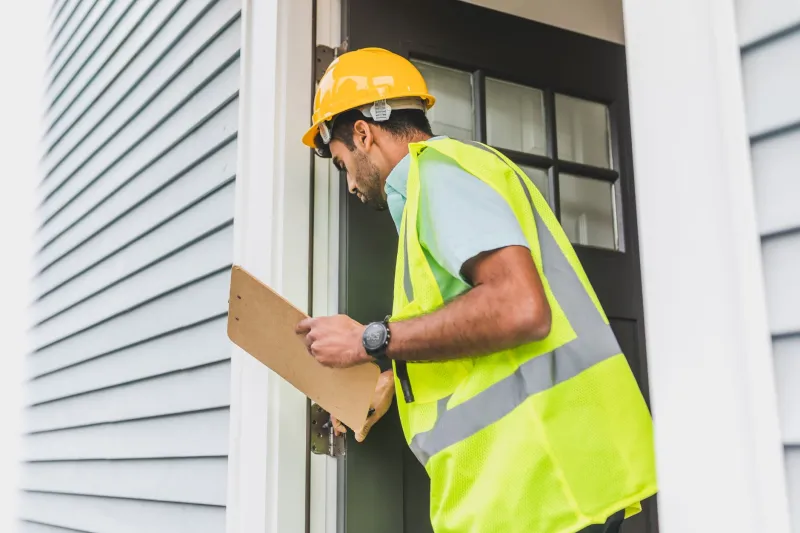
You've fallen for the house. The offer's in. The inspection is scheduled. And then — the report lands in your inbox like a small novel, packed with terms like "deferred maintenance," "functional obsolescence," and "recommend further evaluation by a licensed specialist."
For a lot of Indiana buyers, that document is where the dream gets complicated.
We dug into inspection data from across the state, talked to licensed home inspectors in Indianapolis, Fort Wayne, South Bend, and Evansville, and gathered contractor quotes on the most commonly flagged repairs. What we found is that the issues you'll face — and what they'll cost — vary pretty dramatically depending on what price range you're shopping in.
Here's the honest breakdown.
Under $175K: The "Character Home" Surprise Package
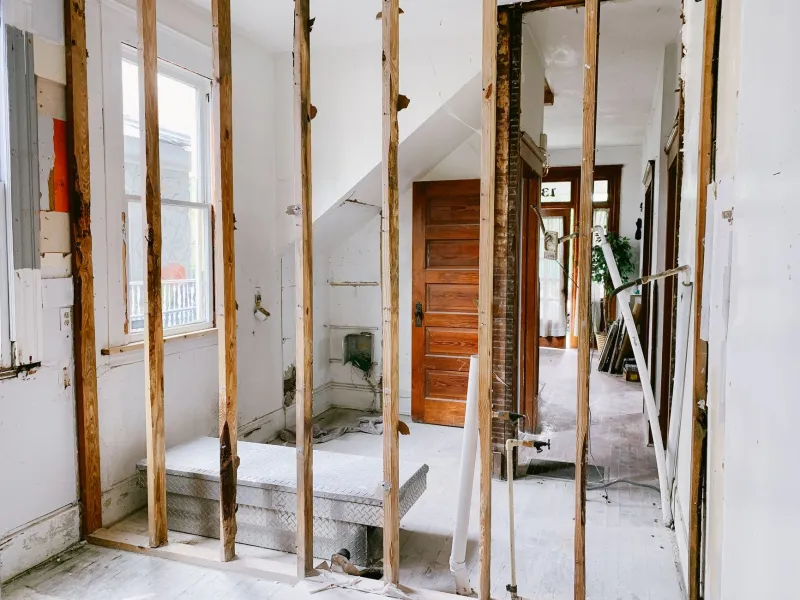
Affordable Indiana homes are often older Indiana homes. In this price tier, you're frequently looking at properties built before 1980, and sometimes well before that. That history comes with charm — and a predictable set of headaches.
Electrical systems are the big one. Inspectors in this range routinely flag aluminum wiring (common in homes from the 1960s and '70s), outdated 60-amp panels that can't handle modern loads, and the occasional knob-and-tube wiring that no insurer will touch. Rewiring a 1,400-square-foot home in Indiana currently runs between $8,000 and $15,000, depending on the complexity and the market you're in.
Foundation issues are also common in older Indiana stock. The state's clay-heavy soil expands and contracts with freeze-thaw cycles, and homes that have been through decades of that movement often show cracks, settling, or drainage problems. Minor crack repairs might run $1,500–$3,000. Full foundation stabilization with piers? You're looking at $10,000 to $30,000 or more.
Galvanized plumbing is another frequent flier. It corrodes from the inside out, restricts water pressure, and eventually fails. Full repipe jobs in this price range average $4,000–$8,000.
Deal-breaker or manageable? Electrical and foundation issues can be deal-breakers depending on severity. Cosmetic items — aging carpet, dated kitchens, worn siding — are manageable if you've budgeted accordingly. The key is knowing the difference before you waive contingencies.
$175K–$325K: The Middle Market Sweet Spot (With Its Own Pitfalls)
This is where a lot of first-time buyers and move-up buyers land, and it's also where inspection surprises feel the most jarring — because buyers in this range often assume the home is "newer enough" to be problem-free.
Not always.
Homes in this bracket are frequently from the 1990s and early 2000s. That era brought its own issues: HVAC systems that are now 20–25 years old and living on borrowed time, polybutylene plumbing (a material that was used widely through the mid-'90s and is prone to failure), and roof systems that are aging out of their warranted lifespan.
A new HVAC system in Indiana — furnace and central air — typically runs $6,000–$12,000 installed. A roof replacement on a standard 2,000-square-foot home? Budget $9,000–$16,000 depending on pitch, materials, and your region of the state.
Inspectors also frequently flag water intrusion in basements and crawlspaces in this range, particularly in older subdivisions where grading has shifted over time. Interior waterproofing systems average $5,000–$12,000. Exterior drainage correction varies widely.
The good news: many of these are negotiating chips. Sellers in the mid-range market often expect to either credit buyers or make repairs when inspections surface these items. Your agent's experience matters here.
$325K and Up: Bigger Home, Bigger Repair Bills
Higher-priced homes aren't immune to inspection surprises — they're just more expensive to fix when something's wrong.
In this tier, inspectors often flag issues tied to complexity and square footage: multi-zone HVAC systems with aging components, finished basements with moisture concerns that weren't caught during the flip or renovation, and deferred maintenance on premium materials (slate roofs, custom windows, high-end mechanical systems) that cost significantly more to repair or replace than standard alternatives.
One Indianapolis inspector we spoke with noted that luxury finishes sometimes mask underlying issues. "A freshly painted basement is always worth a closer look," he said. "Same with new flooring over old subfloor."
Pool and outbuilding inspections — common at this price point — add another layer. Pool repairs alone can range from a few hundred dollars for minor equipment issues to $15,000+ for structural or plumbing problems.
The Items That Cut Across Every Price Range
A few inspection findings show up regardless of what you're spending:
- Inadequate attic insulation or ventilation — affects energy costs year-round and can cause ice dam damage in Indiana winters. Cost to address: $1,500–$5,000.
- Grading and drainage problems — Indiana's flat topography and clay soil make this universal. Budget $500–$3,000 for exterior grading corrections.
- Aging water heaters — standard units last 10–12 years. Replacement runs $800–$1,800 installed.
- Minor electrical deficiencies — missing GFCI outlets, double-tapped breakers, open junction boxes. Often $300–$800 to correct.
How to Use the Inspection to Your Advantage
The inspection isn't just a report card — it's a negotiating document. Here's how to approach it strategically:
- Prioritize safety and systems over cosmetics. Focus your repair requests on electrical, structural, and mechanical issues. Sellers are more likely to negotiate on legitimate safety concerns than aesthetic preferences.
- Get contractor quotes before closing, not after. Indiana real estate contracts typically allow time for this. Use it.
- Build a repair reserve into your budget from day one. As a rule of thumb, assume 1–2% of the purchase price in year-one maintenance and repairs — more for older homes.
- Don't skip the sewer scope. It's not always included in a standard inspection, but in Indiana's older housing stock, it's worth the extra $150–$300. Root intrusion and collapsed clay tile lines are common and expensive.
The inspection lottery isn't really a lottery at all — it's information. The buyers who use it well come out ahead. The ones who treat it as a formality often find out the hard way what they missed.