From Factory Floors to Front Porches: The Indiana Towns Making a Stunning Comeback
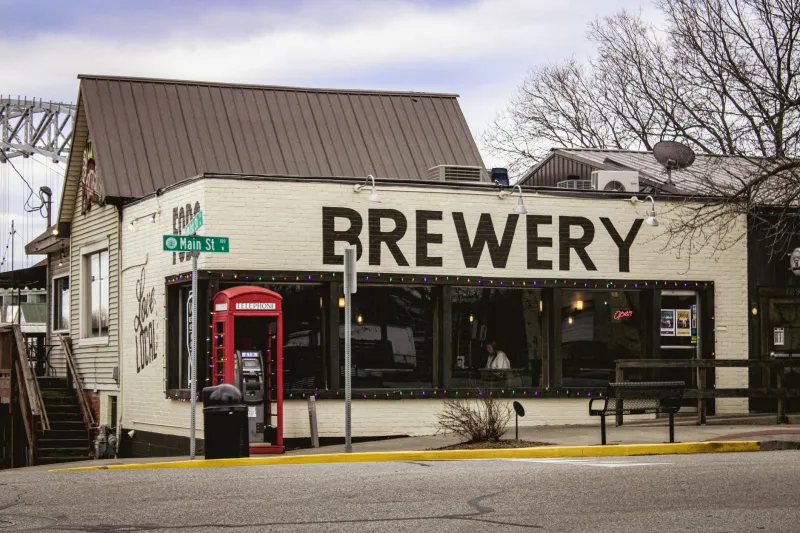
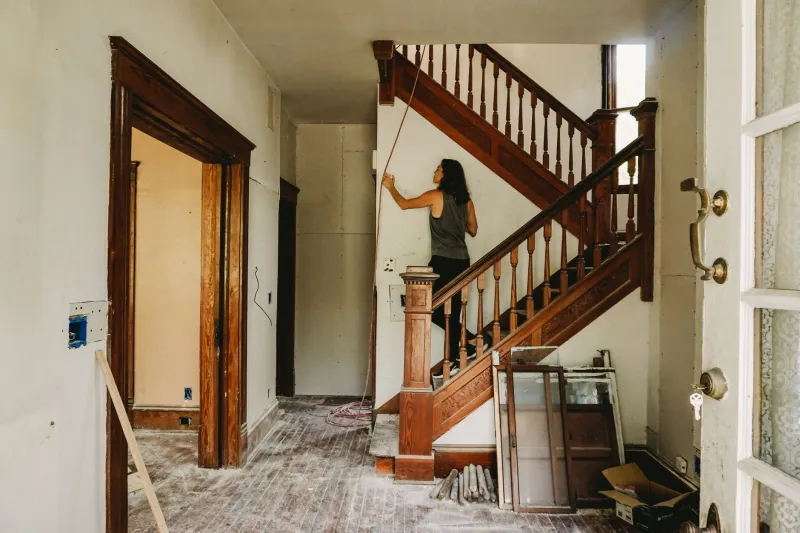
For decades, the story of Indiana's post-industrial cities was easy to summarize: plants closed, people left, and neighborhoods hollowed out. But spend a weekend driving through parts of Muncie, Anderson, or even Gary right now, and you'll notice something that doesn't match that old narrative. Freshly painted Victorians. Coffee shops in repurposed warehouses. "Sold" signs on streets that barely saw foot traffic five years ago.
Something is shifting — and if you're a buyer paying attention, this might be one of the more interesting moments Indiana real estate has seen in a long time.
What's Actually Driving the Turnaround
Let's be honest: nobody's calling these cities fully transformed. But the ingredients for a real comeback are stacking up in ways that weren't visible even three years ago.
First, there's the price gap. The median home price in Muncie hovers around $110,000–$130,000 — a fraction of what you'd pay in Indianapolis or even Fort Wayne. That gap has become a magnet for two very different buyer profiles: investors hunting for cash-flow rental properties and remote workers who realized they could trade a cramped apartment in a pricier metro for a four-bedroom craftsman with a yard.
Second, economic development money is flowing in. Anderson has attracted logistics and manufacturing investment tied to Indiana's growing electric vehicle supply chain. Ball State University continues to anchor Muncie's economy and has been a direct driver of neighborhood stabilization near campus. Gary, long the toughest case in the bunch, has seen targeted redevelopment efforts around its lakefront — and its proximity to Chicago means commuter appeal is real for hybrid workers who only need to be in the city a few days a week.
Third — and this one surprises a lot of people — younger buyers are actively choosing these places. Not settling for them. Choosing them.
Meet the Buyers Who Took the Leap
Take Marcus and Deja, a couple in their early 30s who relocated from Columbus, Ohio, to Muncie in 2023. Marcus works remotely in software development; Deja picked up part-time work at a local nonprofit. They bought a fully renovated three-bedroom home in the Whitely neighborhood for $98,000.
"People thought we were crazy," Marcus said. "But we were paying $1,600 a month in rent for a two-bedroom. Now our mortgage is $620, and we have a garage and a garden."
Or consider Linda, a retired teacher from suburban Chicago who bought a two-flat in Gary's Miller Beach neighborhood as both a personal residence and rental income property. "I did my homework," she said. "Miller Beach is different. It has an arts community, it's walkable to the lake, and the bones of these old homes are incredible."
These aren't isolated stories. They're part of a pattern showing up in buying data across Indiana's secondary markets.
The Neighborhoods Worth Watching Right Now
Not every block in these cities is on an upswing — that's just the reality. But specific pockets are showing genuine, measurable momentum.
In Muncie: The Whitely and Old West End neighborhoods have seen the most consistent renovation activity and price appreciation. The Old West End in particular is full of early-20th-century architecture that attracts buyers who want character without the price tag of a historic district in a larger city.
In Anderson: The areas surrounding the downtown core — particularly blocks near the Flagship Enterprise Center and the emerging arts district — are drawing early-mover buyers. Anderson's revitalization is earlier-stage than Muncie's, which means more risk but also more upside if you're comfortable with a longer horizon.
In Gary: Miller Beach stands out as the most stabilized submarket. It has an established identity, an active neighborhood association, and a loyal community of artists and outdoor enthusiasts drawn to the Indiana Dunes. Beyond Miller Beach, the Glen Park neighborhood on Gary's south side is showing early signs of increased investor interest, though it requires more due diligence.
The Risks You Can't Ignore
Here's where we keep it real: buying in a post-industrial town is not the same as buying in a growing suburb. There are legitimate risks, and glossing over them wouldn't be fair to you.
Population trends matter. Some of these cities are still losing residents, which can cap appreciation potential. Always look at five-year population data before committing to a market.
Property condition varies wildly. Deferred maintenance is common in markets where owners have had limited financial resources. Budget for a thorough inspection — and then budget more. Surprises behind the walls of a 100-year-old home are not uncommon.
Municipal finances can affect services. Cities with shrinking tax bases sometimes struggle to maintain roads, schools, and emergency services at the level buyers expect. Research the city's financial health and any recent bond ratings.
Liquidity is lower. If you need to sell quickly, a niche market with fewer active buyers means you may have to wait longer or accept a lower price than you expected. These are better suited to buyers with a 5–10 year horizon.
How to Approach These Markets Like a Smart Buyer
If you're intrigued but cautious — good. That's exactly the right mindset.
Start by spending real time in the town before you make an offer. Walk the streets at different times of day. Talk to people at local businesses. Attend a neighborhood association meeting if you can. Markets like these reward buyers who do the on-the-ground work that an algorithm can't replicate.
Work with a local agent who specializes in the specific city. The difference between a Muncie specialist and a generalist who occasionally shows homes there is enormous. Local agents know which streets are turning and which ones aren't — and they'll tell you things that don't show up in a listing description.
Finally, run your numbers conservatively. If you're buying as an investment, underwrite to a vacancy rate of 10–15% and factor in maintenance reserves of at least 1% of the purchase price annually. If the deal still works at those assumptions, you probably have something worth pursuing.
The Bottom Line
Indiana's old factory towns aren't a sure thing. But for buyers willing to do the homework, tolerate some uncertainty, and think beyond the obvious markets, they represent something genuinely rare in today's real estate environment: affordable homes in places that might actually be getting better.
The window for early-mover pricing won't stay open forever. In Muncie especially, prices have already moved meaningfully over the past three years. The buyers who got in ahead of the story are already sitting on equity — and they're the ones who looked at a town others had written off and saw something worth betting on.
Maybe you're next.